First Hackathon “Lovable × Salem”
Just how much creativity can unfold in a mere two weeks became clear at the finale of the first Salem Hackathon, “Lovable × Salem”. Around 40 students from the middle school and Salem International College took on the challenge of developing their own digital products for the very first time – supported by the AI platform Lovable, which enables users to build web and app prototypes without any coding skills. As the first school in Germany to do so, Salem entered into a pilot partnership with Lovable and jointly created a format that blends digital education with real product development.
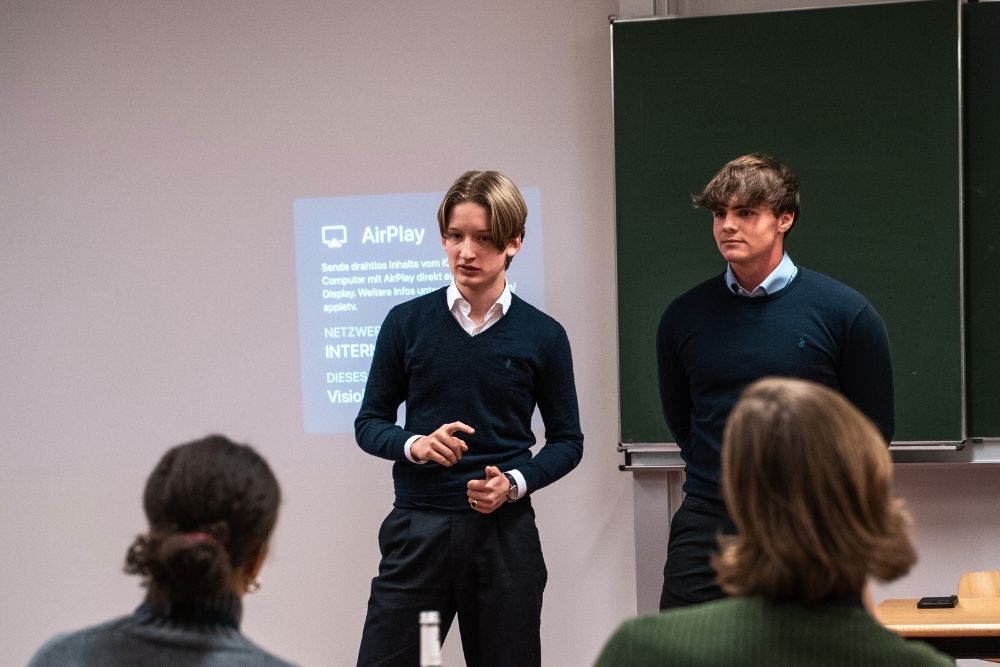
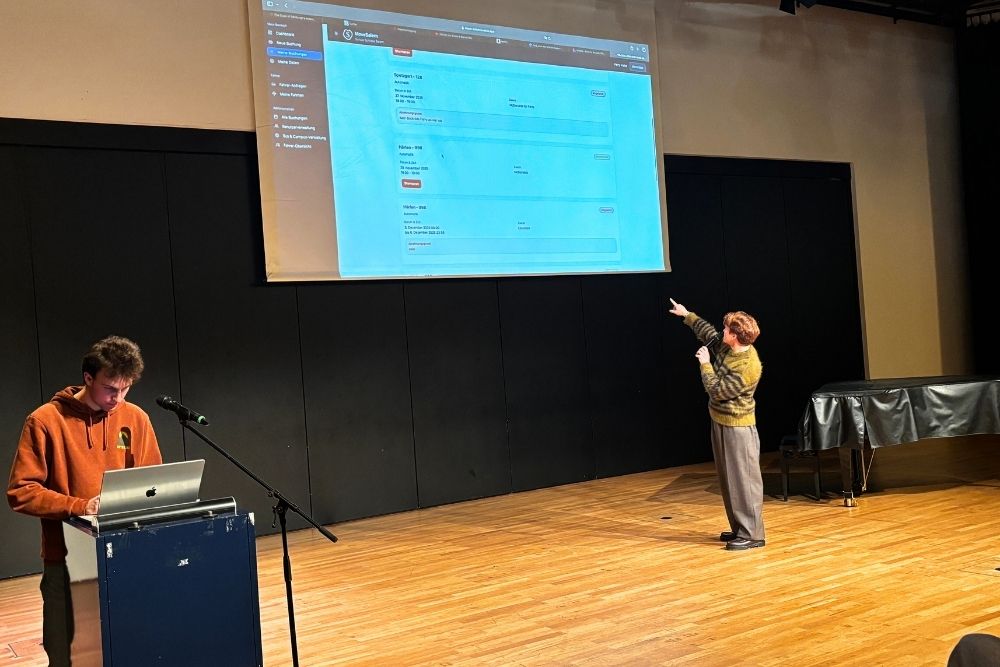
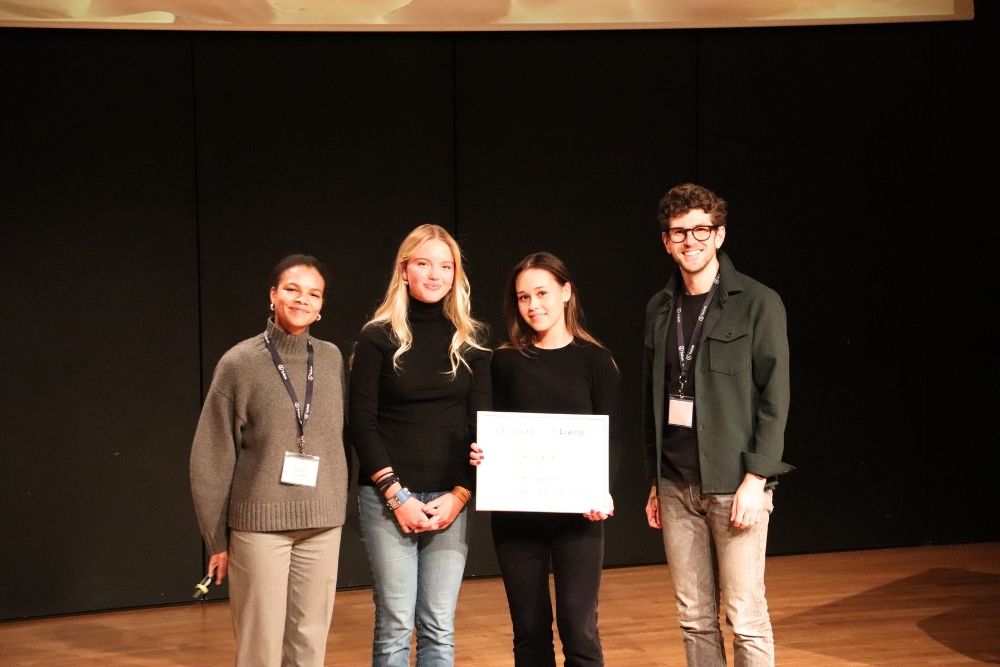
The seven best teams presented their projects to a jury of experts from business, law and technology. With a strong focus on everyday usefulness, a duo from the middle school won with an app that smartly consolidates the school’s sporting activities: teams, results and tables – all at a glance. In the Salem International College, “S-Move”, a booking system for the boarding school’s vehicle fleet, took first place. The jury was particularly impressed that the tool is already being used in daily boarding-school life, providing immediate and tangible value.
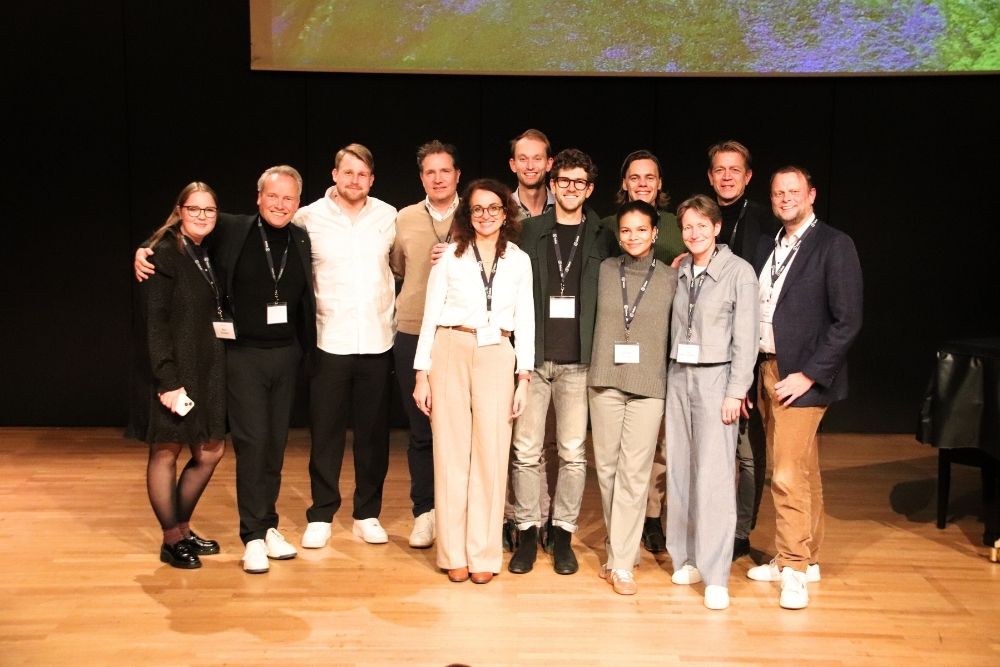
Project lead and Salem alumnus Patrik Birkle was visibly moved by the students’ energy: “What you’ve created in such a short time is extraordinary. Many of you built a digital product for the very first time – and at a level you can genuinely showcase.” He emphasised how crucial the collaboration between students, committed alumni, and colleagues from all areas of the school had been.
The hackathon aligns with Salem’s ambition to equip young people in a holistic way – and to strengthen technological competence as part of responsible education. Lovable offers a hands-on gateway: ideas turn directly into functioning prototypes, and teamwork becomes the driving force behind true innovation.
By the end, one thing got clear: the hackathon sparked curiosity and encouraged students to try out digital ideas. How the format will continue to develop remains to be seen – but the evening already proved: Salem harbours tremendous potential for fresh inspiration, creative thinking and a genuine enthusiasm for digital creation.